


Can An ISO Liquid Tank Be Used As A Diesel Tank?

Jump to section
The question of repurposing ISO liquid tanks for diesel storage is complex, involving technical specifications, regulatory compliance, and practical safety considerations. Let’s break down the critical factors to determine whether this adaptation is feasible and safe.
1. Understanding ISO Liquid Tanks
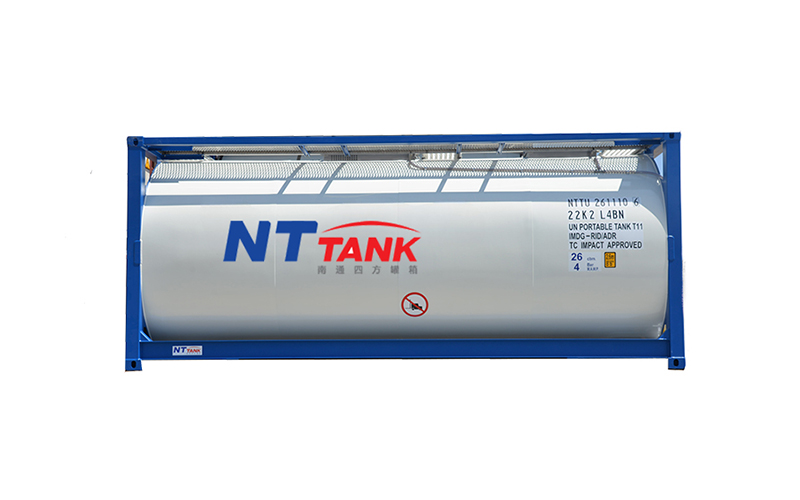
ISO tanks are standardized containers designed for transporting liquids and gases across multiple transport modes (road, rail, sea). Key features include:
- Materials: Typically made of stainless steel (e.g., 316L) or carbon steel with linings like polyethylene or corrosion-resistant coatings.
- Design: Built to withstand pressure variations and corrosion, with capacities ranging from 20,000 to 26,000 liters.
- Applications: Used for chemicals, food-grade products, and hazardous liquids, including flammable substances.
2. Diesel Storage Requirements
Diesel tanks must meet strict safety and material standards:
- Material Compatibility:
- Carbon steel (e.g., Q235-B) with anti-corrosion coatings (e.g., coal tar epoxy) is common.
- Stainless steel is preferred for long-term storage to prevent rust.
- Safety Features:
- Pressure/Leak Prevention: Designed for “atmospheric pressure” (non-pressurized) with double-walled structures and grounding systems to prevent static electricity.
- Temperature Control: Operating temperature ≤50°C; buried tanks require ≥0.5m depth for thermal stability.
- Fire Safety: Mandatory fireproofing, explosion relief systems, and compliance with local fire codes.
3. Compatibility Analysis: ISO Tanks vs. Diesel Requirements
While ISO tanks are versatile, their suitability for diesel depends on:
| Factor | ISO Tank Capability | Diesel-Specific Needs |
| Material | Stainless steel (316L) linings are corrosion-resistant . | Compatible, but older ISO tanks with carbon steel may require additional coatings. |
| Pressure Resistance | Designed for transport pressures (varies by type). | Diesel requires non-pressurized storage; overpressure risks must be mitigated. |
| Sealing & Leakage | Secondary containment (e.g., bunded tanks) reduces spill risks. | Critical for diesel due to environmental and fire hazards; ISO tanks may need retrofitting. |
| Regulatory Compliance | Built to ISO standards but may lack region-specific certifications (e.g., EPA, IMO). | Must comply with local laws (e.g., U.S. CARB regulations, EU’s UNECE 110 for fuel storage). |
Key Risks:
- Material Degradation: Polyethylene linings in some ISO tanks may react with diesel additives over time.
- Static Electricity: ISO tanks not originally designed for fuels may lack grounding systems, increasing explosion risks.
4. Regulatory and Safety Considerations
- IMO Guidelines: Recent updates to the IGF Code (2024) emphasize fire safety and pressure management for fuel tanks, requiring retrofitted ISO tanks to include explosion relief systems.
- U.S. & EU Regulations:
- In the U.S., portable fuel containers must meet CARB standards for vapor recovery and child safety.
- In Europe, UNECE 115 mandates leak-proof designs for LNG tanks, which could extend to diesel.
- Certification: ISO tanks must undergo recertification if repurposed, including hydrostatic testing and weld inspections.
5. Real-World Applications and Case Studies
- Conversion Projects:
- Yunnan Beteli: Repurposed fuel oil tanks into diesel storage with reinforced linings and leak detection systems.
- Limitations: Most documented cases involve traditional tanks, not ISO containers, highlighting a gap in standardized practices for ISO tank conversions.
6. Cost vs. Benefit
- Advantages:
- Lower upfront costs compared to custom-built diesel tanks.
- Portability for remote or temporary storage needs.
- Drawbacks:
- Retrofitting costs (e.g., grounding systems, coatings) may exceed 30% of new tank expenses.
- Regulatory hurdles and liability risks if compliance is incomplete.
7. Final Verdict
Yes, ISO liquid tanks can be used for diesel storage, but with caveats:
- Material Compatibility: Opt for stainless steel or retrofitted carbon steel tanks.
- Safety Upgrades: Install grounding, leak detectors, and fireproofing.
- Legal Compliance: Obtain certifications from local authorities and maritime agencies.
For long-term or high-volume storage, purpose-built diesel tanks remain safer and more cost-effective. However, ISO tanks offer a viable solution for temporary or transport-oriented applications when properly modified.
By addressing technical, regulatory, and practical factors, businesses can make informed decisions about repurposing ISO tanks—balancing innovation with safety.
Want to Know More About Our Products?
View All Products Now